There are 400+ micro SaaS ideas floating around the internet right now. Listicles everywhere. Reddit threads. YouTube videos promising you can build one in a weekend.
Most of those ideas never ship.
The bottleneck isn't finding ideas. It's finishing them. A micro SaaS only works if you actually build it and get paying customers. Everything else is daydreaming with extra steps.
This guide covers what micro SaaS actually is, why the model works for solo developers, and the execution system that separates shipped products from abandoned side projects. By the end, you'll have a framework for going from idea to paying customers without drowning in scope creep.

What Micro SaaS Actually Is (And What It's Not)
A micro SaaS is a small software as a service business built and run by one person or a tiny team. It solves one specific problem for a narrow audience, charges a subscription, and generates recurring revenue without needing venture funding or a 50-person engineering team.
The "micro" part matters. This isn't Salesforce. It's not HubSpot. It's a focused tool that does one thing well for people willing to pay monthly.
The characteristics that define the model:
Narrow niche. Etsy sellers. Freelance therapists. Podcast editors. Not "small businesses," which is too broad to be useful.
Single-problem focus. Automates one workflow, fixes one pain point. Not a platform.
Low overhead. No office, minimal infrastructure, often no employees.
Recurring revenue. Subscriptions mean predictable income, which is why micro SaaS is the foundation of passive income for builders who want lifestyle businesses.
Bootstrapped. Most micro SaaS founders never raise money. They get profitable fast instead.
What's a micro SaaS example? A browser extension that auto-generates alt text for images. A Shopify app that calculates profit margins including fees. A scheduling tool built specifically for dog groomers. Small scope, real problem, paying customers.
The opposite of micro SaaS is venture-scale SaaS: raise millions, hire fast, grow at all costs, worry about profit later. That model works for some. But it requires investors, a team, and years before you see a dollar. Micro SaaS flips that script.
Why the Micro Model Wins for Solo Developers
If you're building alone, micro SaaS isn't just an option. It's the only model that makes sense.
You can build, launch, and grow without ever talking to an investor. The tools are cheap. Hosting costs are low. Your time is the main investment. This means you keep 100% of the equity and make decisions without asking permission.
Venture-backed startups chase growth metrics because their investors demand it. Micro SaaS chases profit because that's how you eat. Getting to $5,000/month in recurring revenue might not sound glamorous, but it's real money that shows up every month. This is the bootstrapped startup advantage. Some solo founders hit $10K-$60K/month, and they did it without a single funding round.
A traditional SaaS business needs product managers, designers, engineers, support staff. A micro SaaS needs you. The narrow focus means you can actually build, maintain, and support the product yourself. When the scope is small enough, one person can do it all.
The subscription model is the closest thing to passive income in software. Once customers are paying monthly, revenue compounds. Month 6 doesn't reset to zero. It builds on months 1-5. This is why micro SaaS is a popular path for developers who want to escape trading time for money.
Because you're building small, you can validate before committing months to development. Throw up a landing page. Collect emails. Charge for pre-orders. If nobody wants it, you've lost a weekend, not a year.
How to Find a Micro SaaS Idea Worth Building
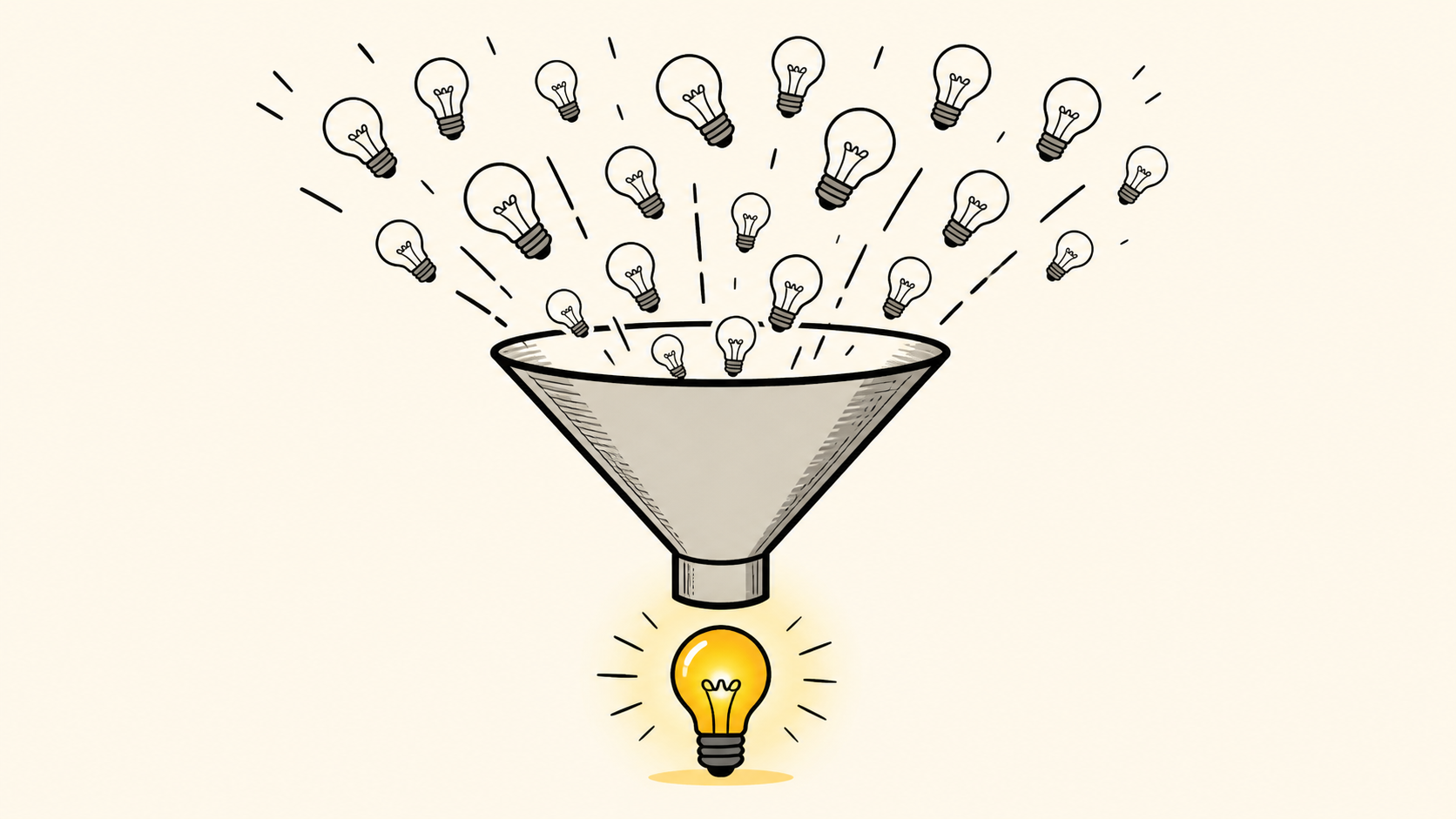
The internet overflows with startup ideas. The hard part is picking one that's worth your time.
Here's what works:
Look for painful workflows in niches you already know. If you've worked in an industry, you've seen the broken spreadsheets, the manual processes, the "we do this because we've always done it" workflows. Those are micro SaaS opportunities. Your insider knowledge is an unfair advantage.
Target people who pay. B2B beats B2C for micro SaaS almost every time. Businesses have budgets. Professionals expense tools. Consumers want free. The best micro SaaS customers are people who make money, and your tool helps them make more or save time doing it. Think agencies, freelancers, e-commerce sellers, real estate agents, coaches.
Narrow is better than broad. "Project management" is a crowded space. "Project management for wedding photographers" is a niche you can own. The smaller the pond, the easier it is to be the obvious choice. You want to be the only option for 500 people, not one of 50 options for 50,000 people.
Validate before you build. Most builders skip this step because building is more fun than selling. Don't. Throw up a landing page describing the problem and solution. Collect emails. Try to get people to pre-pay. If you can't sell it when it doesn't exist, you won't sell it when it does.
Find ideas where people are already complaining. Reddit, niche forums, Twitter, and industry Slack groups are goldmines. Look for repeated complaints about existing tools. "I wish X did Y" is often the start of a micro SaaS.
Real Micro SaaS Examples (and What They Have in Common)
Let's look at real products built by solo founders or tiny teams.
Plausible Analytics is a privacy-focused Google Analytics alternative. Started by two founders, now profitable with thousands of customers. They didn't try to match every Google Analytics feature. They focused on simplicity and privacy.
Carrd does one-page websites for $19/year. Millions in revenue. Built and run largely by one person. The entire product does one thing: simple landing pages. No page builders, no complex CMS, no scope creep.
Mailbrew sends daily email digests from your favorite sources. Small team, clear scope: bundle content into one email. They didn't build an RSS reader, a social media platform, or a news aggregator. Just digests.
Nathan Barry started ConvertKit as a solo project targeting professional bloggers. Not "email marketing for everyone" but email marketing for creators. That focus let him compete with Mailchimp without matching their feature set.
What these have in common: tiny scope, sharp focus, willingness to skip features. None of them tried to be platforms on day one. They solved one problem completely instead of five problems halfway. They said no more than they said yes.
The pattern is clear. The ones that ship and grow are the ones that stayed small enough to finish.
The #1 Killer: Scope Creep and Never Shipping
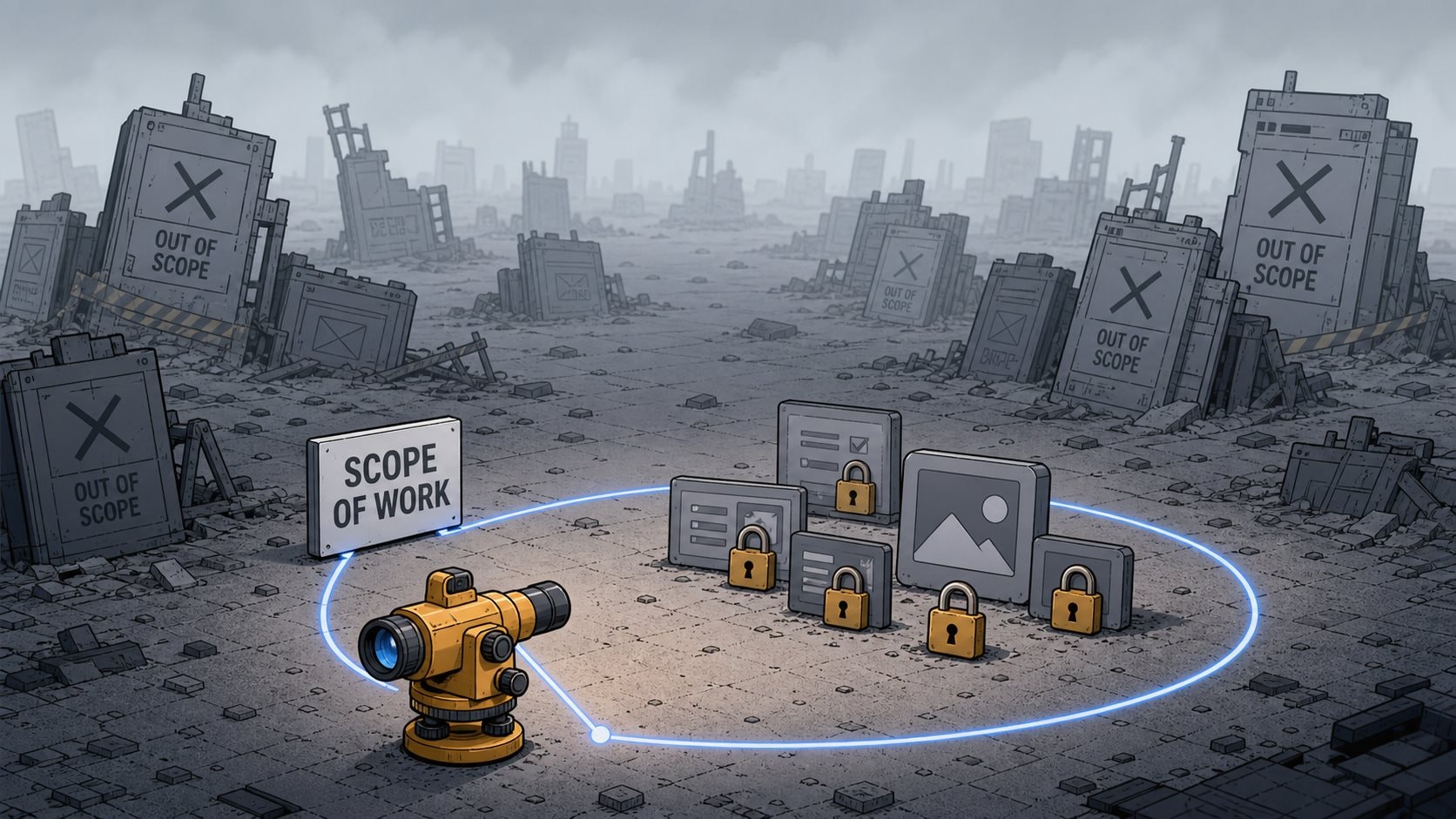
Most micro SaaS projects die in development. Not from bad ideas or lack of skills. From scope creep.
It happens like this:
You start building your MVP. Five features, tight scope. Then you think: "You know, it would be really nice to also have..." One feature becomes two. Two becomes five. Suddenly your "weekend project" is six months in with no launch date. Sound familiar? Here's how to avoid scope creep.
The "just one more feature" loop kills more micro SaaS than bad ideas ever will.
Solo developers can't afford half-finished builds. You don't have a team to hand off to. You don't have investors funding your runway while you polish. Every day you spend building is a day you're not earning.
And the longer you build without shipping, the more likely you are to abandon the project entirely. The enthusiasm fades. Real life intervenes. The codebase gets stale.
This is the discipline gap. Ideas are easy. Tutorials are easy. Talking about your project is easy. Actually finishing and shipping something people can pay for? That's hard.
The micro SaaS model only works if you ship.

The Execution Stack: From Idea to Shipped Product
Here's the system that actually works.
Step 1: Validate the Idea
Before writing code, prove that someone will pay. Build a landing page describing the problem and your solution. Collect email signups. If you can't get 50-100 signups, rethink the idea. Attempt pre-sales. Even $50 in pre-orders proves more than 1,000 "sounds cool" comments.
Validation isn't optional. It's the difference between building something people want and building something you wish people wanted.
Step 2: Define MVP Scope Ruthlessly
Write down every feature you think the product needs. Then cut half of them.
Your MVP should have 3-5 core features, maximum. These are the features that solve the main problem. Everything else goes in a "later" pile. Integrations, settings, nice-to-haves. Later. A one-page PRD helps you define this clearly.
Ask: "Can someone pay me and get value with just these features?" If yes, that's your MVP. If no, you're probably overcomplicating it.
Step 3: Lock the Scope
This is the step most builders skip, and it's why they never ship.
Write down your locked scope. Print it. Tape it to your monitor. Whatever it takes. No new features until this list ships.
Every "great idea" that pops up during development goes on a post-launch list. Not into the current build. The current build is locked.
This discipline is the entire game. Anyone can have ideas. Shipping requires saying no.
Step 4: Build Only What's Locked
Build the locked features. Nothing else.
When you finish a feature, move to the next locked feature. When you get tempted to add something, look at your locked list. Is it on there? No? Then it doesn't exist right now.
The goal is a shippable product, not a perfect one. Ship ugly if you have to. You can polish after people are paying.
Step 5: Ship, Then Iterate
Launch when the locked scope is done. Not when it's perfect. When it's done.
Get real users. Get real feedback. Get real revenue. Then, and only then, start adding from your post-launch list.
Iteration with customers beats building in isolation every time. The features that matter most are often the ones you didn't predict, and you only discover them by shipping.
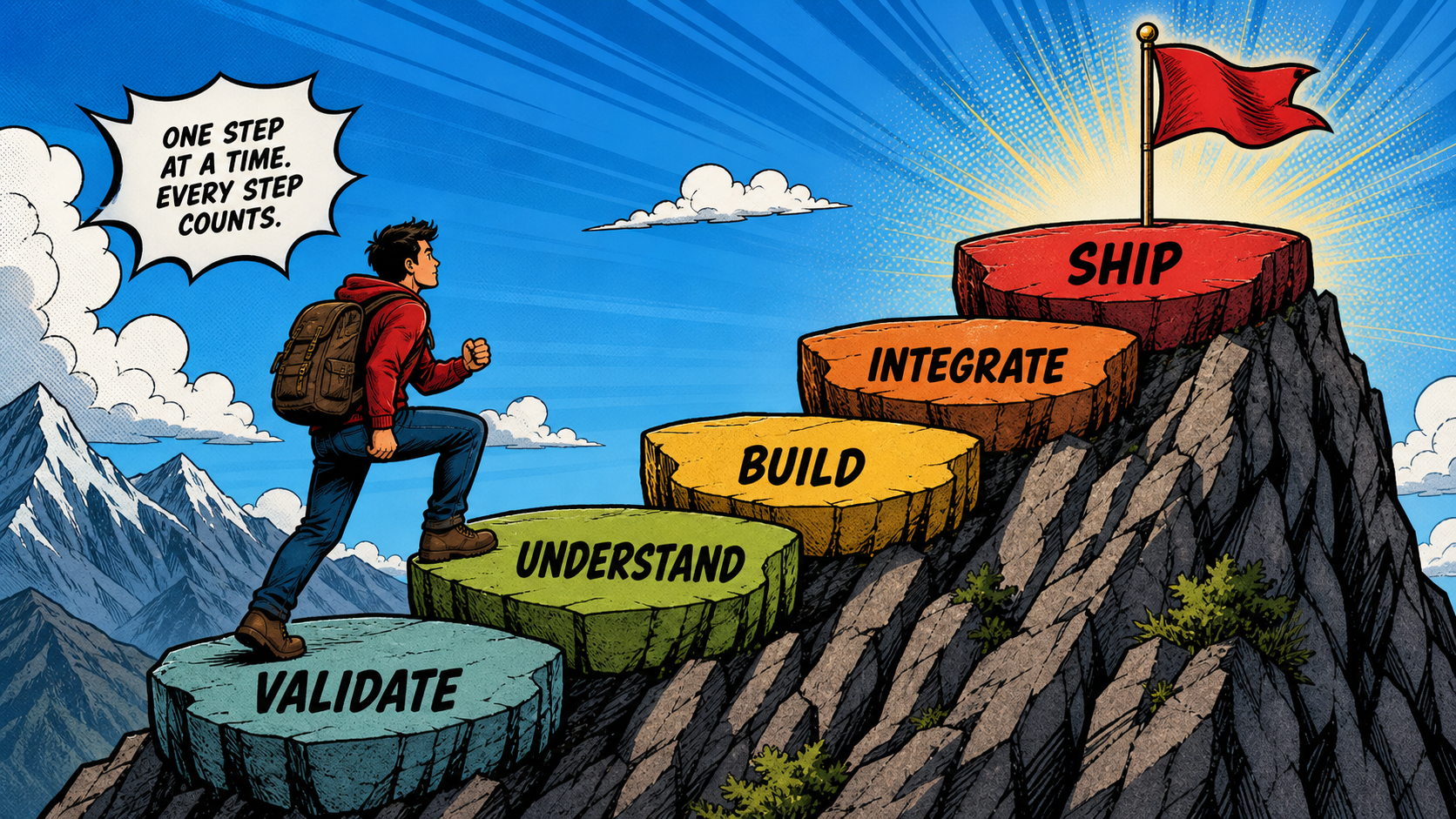
This system works because it forces decisions upfront and protects against the scope creep that kills most projects.
Start Building
Micro SaaS works for solo developers because the model matches the constraints. Small scope. Low overhead. Recurring revenue. No investors needed.
But the model only works if you ship.
The real competitive advantage in micro SaaS isn't finding the best idea. It's having the discipline to finish. Lock your scope. Build what's locked. Ship before you polish.
Ideas are abundant. Finished products are rare. Be rare.
FoundStep is the scope-locking layer for solo developers building micro SaaS. Validate your idea, define your MVP, lock the scope, and ship without drowning in scope creep. Start building for free.